
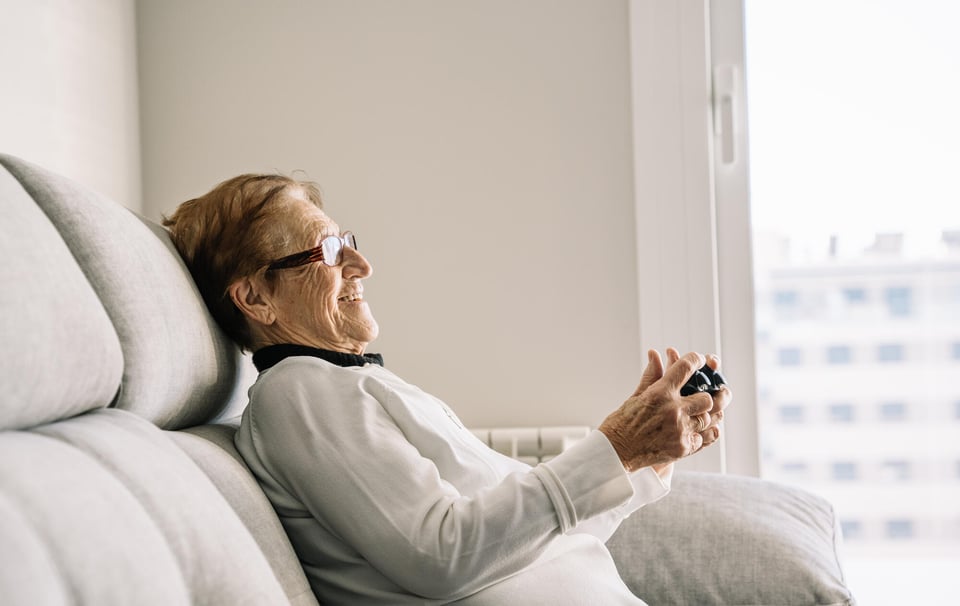
Video games can support brain health in older adults by improving memory, attention, and reaction time when played in moderation. However, seniors should choose age-appropriate games and balance screen time with physical and social activities.
Are video games good for your brain, especially as you age? According to research published by the National Institute on Aging, engaging in mentally stimulating activities can help slow cognitive decline in older adults.
Video games are increasingly recognized as senior cognitive tools that challenge memory, focus, and problem-solving, offering seniors engaging ways to keep their minds active.
For seniors in Pineville, NC, located just south of Charlotte along the I-485 corridor, seeking enjoyable brain-boosting activities, thoughtfully chosen video games can complement routines that promote mental sharpness, confidence, and daily engagement.
Learning which games offer real cognitive value and how to use them in moderation helps Pineville seniors make informed choices that support long-term brain wellness alongside physical and social activities.
What Types of Video Games Benefit Seniors the Most?
Video games that emphasize mental engagement rather than speed or reflexes tend to offer the greatest cognitive benefits for older adults. These games challenge the brain without creating unnecessary stress or frustration.
Puzzle and strategy games -- such as word games, matching challenges, and logic-based apps -- are especially effective because they support memory, problem-solving, and attention. Many also allow seniors to play at their own pace, which encourages consistency and confidence.
Simple digital brain games that incorporate routine and progression can further enhance daily engagement, making them a practical option for seniors looking to keep their minds active while still enjoying the experience.
Can Video Games Help Prevent Cognitive Decline?
Mentally stimulating activities, including certain video games, can support brain health and slow age-related cognitive decline in older adults.
Video games that challenge memory, problem-solving, and strategic thinking provide a safe, enjoyable way for seniors to exercise their brains. While they're not a cure, these games can complement other healthy habits, such as physical activity, social interaction, and proper nutrition, to help maintain long-term cognitive wellness.
In addition to cognitive benefits, playing video games can also boost motivation and emotional well-being for seniors. Completing levels, solving puzzles, or achieving high scores provides a sense of accomplishment that reinforces confidence and encourages continued mental engagement, making brain health both fun and socially connected.
Are There Risks Seniors Should Be Aware Of When Playing Video Games?
While video games can offer cognitive and emotional benefits, seniors should be mindful of potential risks, such as addiction, to ensure a safe and positive experience. Excessive screen time, eye strain, and poor posture can lead to discomfort or fatigue, reducing the overall benefit of gameplay.
Choosing games that match skill level and interests is also important to avoid frustration or stress, which can negatively impact mental health. Additionally, relying solely on video games for mental stimulation without balancing physical activity and social interaction may limit overall wellness.
Do Video Games Replace Social and Physical Activities?
Video games are meant to complement, not replace, active lifestyles. They can provide valuable cognitive stimulation, improving memory, attention, and problem-solving skills, but they don't offer the physical benefits of movement or the social connection of in-person interactions.
Relying solely on gaming may inadvertently reduce opportunities for exercise, outdoor activities, or social engagement, which are all essential for maintaining overall health and well-being in older adults. Seniors should view video games as one piece of a balanced routine rather than a standalone solution.
Integrating video games with regular physical activity, hobbies, and social interaction helps seniors enjoy mental stimulation while supporting both their body and mind.
What Should Seniors Consider Before Getting Started?
Choosing the right video games is key to maximizing cognitive benefits while keeping the experience enjoyable. Seniors should look for games that match their interests, skill level, and comfort with technology, starting with simple, easy-to-navigate options before exploring more challenging titles.
It's also important to consider accessibility, including device type, screen size, and controls, to reduce frustration and ensure a positive experience. Setting aside regular time for gameplay and pairing it with other mentally stimulating or social activities can help seniors build a sustainable routine that supports long-term brain health.
Selecting games that are engaging and enjoyable encourages consistency, which is crucial for achieving meaningful cognitive benefits. Games that provide clear goals, gradual progression, and opportunities for accomplishment can keep seniors motivated and confident in their brain-boosting journey.
Frequently Asked Questions
What Age Is Considered Appropriate for Seniors to Start Playing Video Games for Brain Health?
Seniors of any age can benefit, though starting earlier in later adulthood may offer more consistent cognitive engagement.
Do All Video Games Improve Brain Function, or Only Certain Types?
Games that emphasize problem-solving, memory, and strategy are most beneficial; fast-paced or purely reflex-based games may offer limited cognitive advantage.
How Long Does It Take to Notice Brain Benefits from Playing Video Games?
Improvements can appear within weeks of consistent play, but sustained, moderate memory engagement activities over months provide the most measurable cognitive benefits.
Can Multiplayer or Social Video Games Enhance Mental and Emotional Health?
Yes, games that involve interaction with others can improve social engagement, mood, and motivation, alongside cognitive stimulation.
Is It Safe for Seniors With Memory Issues or Mild Cognitive Impairment to Play Video Games?
With guidance and age-appropriate games, seniors with mild cognitive challenges can safely engage, but it's best to consult a healthcare professional first.
Are Video Games Good for Your Brain?
Video games can be a fun and effective way for seniors to support brain health, enhancing memory, attention, and problem-solving skills when used in moderation. When asking "Are video games good for your brain?" research shows that combining gaming with physical activity, social interaction, and other mentally stimulating activities helps older adults maintain cognitive wellness, motivation, and emotional well-being.
At The Haven & The Laurels In The Village At Carolina Place, seniors enjoy a vibrant lifestyle with exclusive programs, fitness and wellness amenities (including walking paths and a wellness center), and engaging social activities designed to support both mental and physical well-being. The community offers assisted living and SHINE® memory care senior living options, so residents can find the right level of support.
Schedule a tour to explore our interactive aging programs that keep residents mentally sharp and socially engaged.
.jpg?width=1200&height=800&name=The-Haven-and-the-Laurels-Carolina-Place-057%20(3).jpg)