
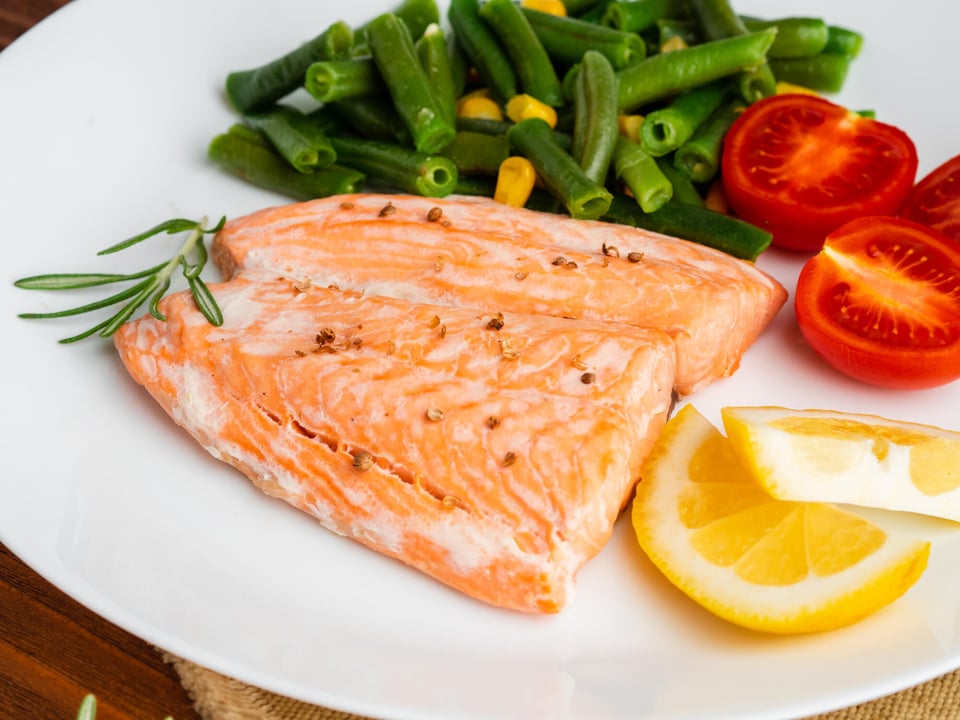
The Village at Carolina Place supports energy and engagement through meals that provide steady fuel for the body and nutrients that keep the mind sharp. A balanced diet helps older adults stay active, focused, and socially connected throughout the day.
UnitedHealthcare reports that switching to an optimal diet could add over 10 years of life expectancy. This makes healthy food choices a real tool for healthy aging support, not just a lifestyle trend.
Pineville, NC, located just south of Charlotte, blends small-town charm with convenient access to major health resources. It is also home to The Haven & The Laurels in The Village at Carolina Place, a senior living community that values wellness and purpose.
This article explores how everyday meals can support energy and connection in senior years.
Why Nutrition Affects How Seniors Feel Each Day
Food is more than fuel. It shapes how we think, feel, and move. As people age, the body uses nutrients differently. That makes each bite more important than before.
Older adults may lose appetite or have changes in taste. This can lead to eating less, skipping meals, or missing out on key vitamins. When that happens, it is harder to stay active or alert.
Proper nutrition helps prevent fatigue, supports memory, and boosts strength. It also helps regulate blood sugar and protects the immune system.
One helpful guide is to eat more whole foods and fewer processed snacks. This includes:
- Fruits
- Grains
- Legumes
- Lean proteins
Eating Patterns That Promote Senior Wellness
The body works better when meals are consistent and balanced. Skipping breakfast or eating very late can disrupt blood sugar levels. Over time, these patterns lower energy.
Staying hydrated also helps with memory and mood. Many older adults do not drink enough water during the day, which can cause headaches or confusion. Simple routines around meals help the body feel steady and strong.
Foods That Support Both Brain and Body
Some foods go beyond basic health. These foods help protect the brain and support better focus. They are often full of omega-3s, antioxidants, and protein.
Omega-3 fatty acids support brain cell structure and may help with thinking and memory. These are often found in fish and walnuts.
Protein helps with muscle repair and keeps nutrition and energy steady. It also plays a role in blood sugar balance. Research from Franciscan Health shows that protein intake supports immune strength and helps the body recover faster.
What you eat today can shape how clearly you think tomorrow.
Fighting Stress With the Right Foods
High stress can change how people eat. Cortisol, a stress hormone, increases cravings for sugar and fatty foods. Over time, this may affect mood and weight.
Harvard research shows that chronic stress may lead to overeating and weight gain. On the other hand, certain foods help lower stress and improve how the brain reacts to tension.
Eating well is one of the simplest ways to reduce daily stress.North Oaks Health System recommends adding leafy greens, berries, and dark chocolate to support a calm mind.
How Community Meals Encourage Connection
Nutrition supports more than just energy. It also shapes how people connect. In shared dining spaces, food becomes a social experience.
The Haven & The Laurels in The Village at Carolina Place encourages residents to gather during meals. This creates chances to talk, laugh, and stay connected.
Community amenities like private dining rooms and wellness centers offer inviting spaces that make meals more meaningful. Eating with others can improve appetite and reduce feelings of isolation.
The Role of Familiar Routines
Eating at the same time each day builds a rhythm. This helps older adults know what to expect and gives a sense of structure. Familiar foods may also bring comfort and improve appetite.
In memory care settings, predictable meals lower stress and encourage participation. Similar menu rotations can offer calm and security. Routine in meals often supports routine in mood and behavior.
Choosing Pineville Senior Living With Food in Mind
Pineville senior living offers many local benefits. It provides a calm setting with nearby access to health services and local attractions. Residents enjoy a mix of comfort and care without giving up social connection or independence.
Pineville's small-town charm pairs well with programs that support lifelong health, including access to nourishing food options.
Whether someone needs help with meal planning or just enjoys a shared breakfast, Pineville's communities offer both structure and flexibility.
Frequently Asked Questions
What Vitamins Support Energy in Seniors?
B vitamins help the body turn food into energy. Vitamin B12 and folate are especially important.
Vitamin D also supports energy by keeping muscles and bones strong. Low levels may cause fatigue or weakness.
How Can Seniors Improve Their Appetite?
Eating small meals throughout the day may help. So can adding herbs and spices to make food more appealing.
Eating with others or in a lively dining room often improves appetite. Drinking enough water is also key.
What Are the Best Brain Foods for Seniors?
Fatty fish, walnuts, berries, and leafy greens all help protect the brain. These foods may support better focus and memory. Foods rich in antioxidants may also lower brain inflammation and support mental clarity.
Is Weight Loss Normal in Older Adults?
Unplanned weight loss is not a normal part of aging. It may be caused by medical issues, changes in taste, or poor appetite. A steady diet with enough protein, fiber, and healthy fats can help prevent this.
What Are Healthy Meal Ideas for Seniors with Low Energy?
Try oatmeal with fruit in the morning. Have soup with beans and whole-grain toast for lunch.
A baked sweet potato with steamed vegetables makes a good dinner. Protein shakes or smoothies are also good snacks to help keep energy steady.
Nutrition Support That Makes a Difference at The Village at Carolina Place
The Village at Carolina Place makes nutrition part of a larger plan for energy, connection, and confidence.
At The Haven & The Laurels, meals are thoughtfully prepared with fresh ingredients, calming spaces, and staff who care about each resident's needs. The wellness center, private dining, and social events create a setting where food supports both body and spirit.
To learn more about how we support healthy aging, contact us today and schedule a tour.
.jpg?width=1200&height=800&name=The-Haven-and-the-Laurels-Carolina-Place-057%20(3).jpg)